Today's marketing environment is rapidly evolving. Changes in a few years might mean that a strategy which worked well a few years ago is not given the same attention now. There's been a significant increase in time dedicated to using AI tools for asking questions, comparing, researching products, and finding solutions. So, why not make businesses sit up and take notice of where their customers are going?
Now ChatGPT advertising enters the equation. With AI entering the mainstream of online interactions, businesses now have another avenue to consider for connecting with the audience during their active search for information.
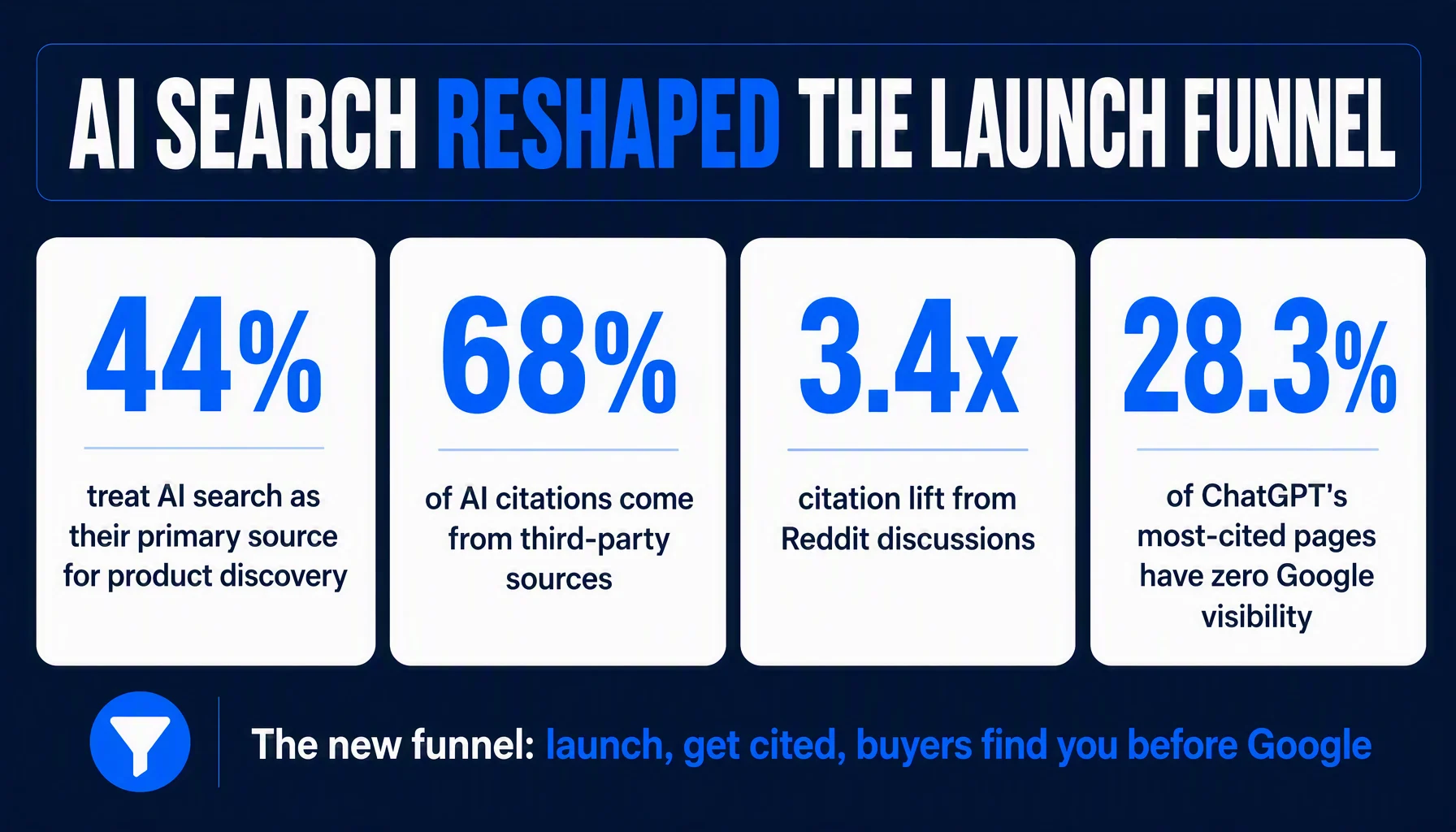
Customers Are Searching Differently
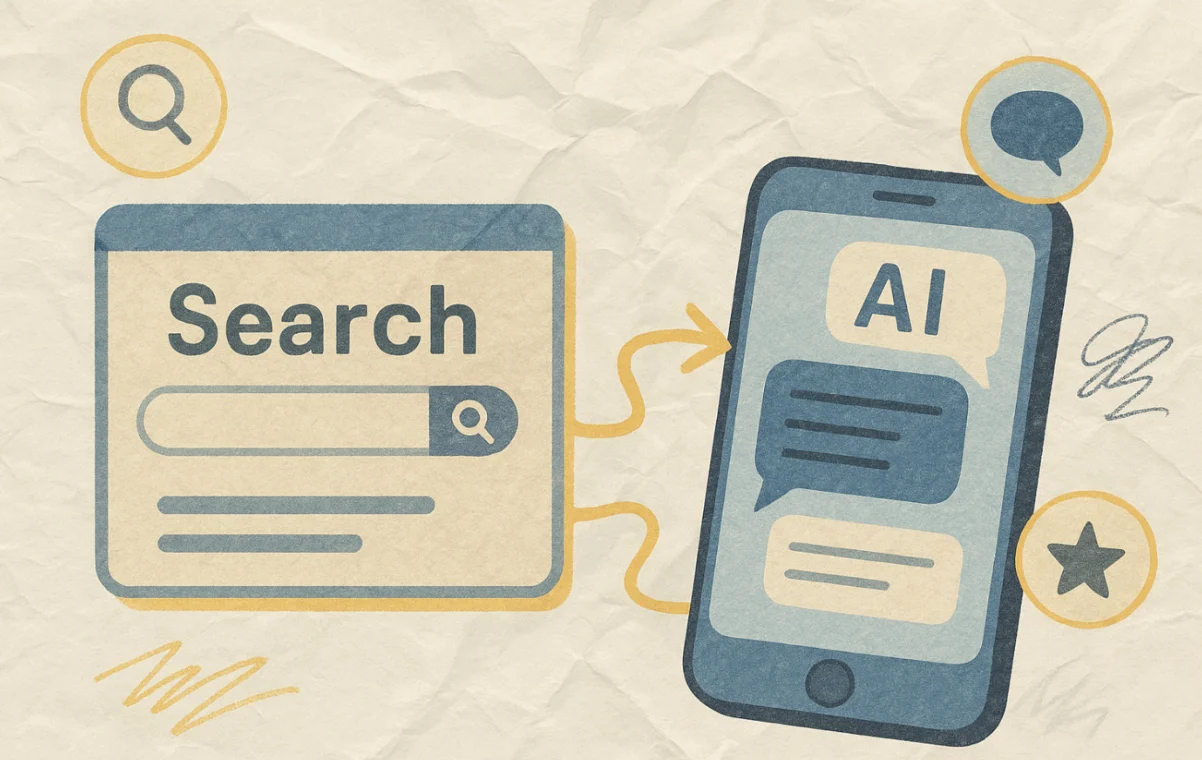
Don't forget a time when Google was the only place to search for products? Nowadays, it is somewhat different.
The number of people turning to conversational AI for specific queries like, “What laptop should I purchase?” or “What is the best laptop software for my small business?” is growing. They don't have to go through dozens of websites to find the answer they are looking for, but they can just ask one question and get a personalized answer.
This change is important to businesses as it isn't just a case of the customer scrolling. They have been searching for a solution.
That makes for a new ad world, where relevance and utility are as important as catchy ads.
Intent Matters More Than Attention
Traditional online advertising is traditionally about grabbing attention. A User views an advert whilst watching a video, scrolling through social networks or while visiting a website.
However, how do you find a solution when someone already has one in mind?
That's where the concept of conversational advertising picks up. If the individual asks about accounting software, travel services, online courses or skin care products, they are likely to be thinking about their options.
Companies may have more opportunities to engage with people who are at a more advanced stage in the purchase process, rather than attempting to pitch to those who are not considering a purchase.
Would that be beneficial for a company looking at making improvements to its lead quality?
Businesses Can Focus On Relevance
Reaching the right audience has been the basic essence of good advertising. The concept of relevance becomes even more crucial in chat-like environments like ChatGPT, as users are likely to give context when posing questions.
For instance, they could tell about their budget, preferences, location or problem. This provides a chance for companies to re-think their marketing tactics and consider marketing on the basis of the needs of the actual customer rather than just general marketing segments.
It's all about not asking how to "promote" this product, but rather how to increase its sales. Ask yourself, "What problem does our client have we are trying to solve?
This slight adjustment of thinking can make all the difference for an advertising strategy.
AI Can Support Faster Campaign Creation
It can take time to develop advertising campaigns. These marketers have to think of concepts, write copy, make visuals, run tests and continue to tweak campaigns over time based on performance.
AI can assist in mitigating some of that repetitive work.
AI-powered tools can generate variations in creative concepts and messaging ideas much faster than human effort, which can save marketing teams numerous hours of time and effort. This provides teams with a greater space to experiment and find out what resonates with their viewers.
Faster creation doesn't always equal better ads? Not necessarily. Strategy still matters.
The benefit of AI is when it enables marketers to execute good ideas quickly.
Early Businesses Can Learn More
Another advantage of looking at new advertising avenues early on is the learning opportunity.
If a platform becomes extremely competitive, it is hard to know how people will respond to the various experiments that might be tried.
Not all experiments will be successful. And that's okay.
It's not about putting a massive amount of money into a new product. Go slow, be careful, monitor performance and draw conclusions from the results.
Complement Existing Advertising
By experimenting with ChatGPT advertising, companies do not have to give up on Google, Facebook or Instagram, TikTok or any other traditional channels.
Indeed, it can function in conjunction with them.
A user can find a brand on social media, use an AI engine to investigate the brand, then go to its website via search and finally make a purchase after seeing multiple touch points.
Why have just one channel when customers are using multiple channels?
A wider strategy enables businesses to "connect with customers at every stage of the buying process.
Trust Will Become Even More Important
When you ask an AI to give recommendations, you're likely looking for something that will help you rather than another sales pitch.
This translates to businesses having to spend more on credibility.
Accurate information, transparency, positive customer feedback, informative content, and website credibility can all impact the brand's reputation.
It's not possible to just slap up an ad and have people accept it. Customers will see if the rest of the brand experience doesn't support the message.
Final Thoughts
In 2026, ChatGPT advertising is a promising new avenue worth considering for businesses. People are getting their information in new ways, and so are advertising strategies.
The best way is not to be a part of all the latest fads. Rather, businesses ought to experiment judiciously, grasp their target audiences, and adopt a useful approach when their customers seek solutions.
Start small. Test different approaches. Watch what happens.
Those businesses eager to learn now could certainly be better equipped for the next generation of digital marketing.